
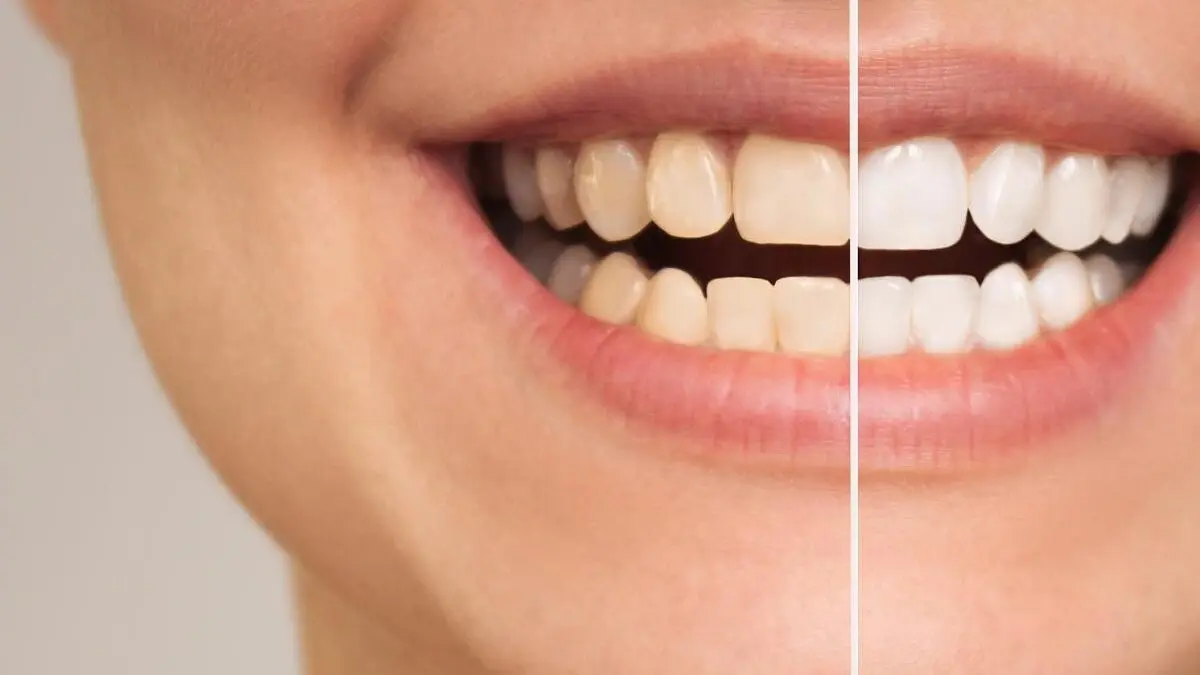
For many people, teeth whitening promises a brighter and more confident smile. However, for individuals who already experience tooth sensitivity, whitening can often lead to increased discomfort rather than the desired results. This issue is commonly overlooked, especially with the growing popularity of at-home whitening kits and quick cosmetic solutions.
Tooth sensitivity is not just a minor inconvenience. It often indicates underlying issues such as enamel wear, gum recession, or exposed dentin. When whitening treatments are applied without considering these factors, they can worsen the condition rather than improve the appearance of teeth.
This is why consulting a Teeth Whitening Dentist before starting any whitening treatment is essential. A professional assessment helps identify whether your teeth are suitable for whitening and reduces the risk of unnecessary complications.
Contents
The Growing Trend of Whitening Despite Existing Sensitivity
Teeth whitening has become more accessible than ever. From pharmacy products to online kits, many people attempt whitening without professional advice. As a result, more individuals are whitening their teeth even when they already experience sensitivity to cold drinks, sweet foods, or brushing.
Sensitivity usually occurs when the protective enamel layer becomes thinner or when gum recession exposes the dentin beneath. Dentin contains microscopic tubules that connect directly to the nerves inside the tooth. When these are exposed, even mild stimuli can trigger sharp, sudden discomfort.
Whitening agents such as hydrogen peroxide or carbamide peroxide work by penetrating the enamel to break down stains. While effective, they can temporarily increase enamel porosity. For individuals with existing sensitivity, this makes it easier for external stimuli to reach the nerves, significantly increasing discomfort.
A qualified Teeth Whitening Dentist evaluates these risks before recommending any treatment, ensuring that whitening is both safe and appropriate.
Why Sensitivity and Whitening Are a Problematic Combination
Whitening treatments rely on chemical oxidation to remove stains from the tooth structure. During this process, bleaching agents pass through the enamel and interact with deeper layers of the tooth.
For individuals with strong enamel, side effects are usually mild and temporary. However, when enamel is already compromised or dentin is exposed, these chemicals can reach nerve endings more easily.
As a result, people with sensitive teeth often experience more intense reactions during whitening. This can include sharp pain during treatment or lingering discomfort hours afterwards. In some cases, sensitivity may last several days depending on the strength of the whitening agent and the condition of the teeth.
Without proper evaluation, whitening treatments can aggravate an already vulnerable tooth structure.
What Happens to Compromised Enamel During Whitening
Enamel is the hardest substance in the human body, but it can gradually weaken over time due to factors such as acidic foods, aggressive brushing, teeth grinding, and ageing.
Whitening treatments work by opening microscopic pores in the enamel to release oxygen molecules that break down stains. This process temporarily increases enamel permeability. When enamel is already thin or worn, it becomes easier for these chemicals to reach the dentin layer underneath.
Dentin contains thousands of microscopic channels that connect directly to the tooth’s nerve. Once exposed, even simple actions like drinking cold water can trigger intense sensitivity.
Repeated whitening without professional supervision may also contribute to further enamel weakening or irritation of the surrounding gum tissue. This is why professional assessment by a Teeth Whitening Dentist is important before beginning any treatment.
Temporary Discomfort vs Genuine Dental Damage
Mild sensitivity after whitening is relatively common and usually temporary. It occurs because the bleaching agents affect the tooth surface and expose dentinal tubules. In most cases, this discomfort fades within a day or two.
However, more severe or persistent sensitivity may indicate a deeper issue. If whitening agents penetrate too deeply, they can irritate the pulp—the inner part of the tooth that contains nerves and blood vessels. This can lead to prolonged pain or inflammation.
The key difference lies in duration and intensity. Temporary sensitivity resolves quickly, while ongoing pain may signal that the teeth required treatment before whitening was attempted.
A trained Teeth Whitening can identify these risks early and monitor how the teeth respond during the procedure.
Conditions That Require Treatment Before Whitening
Not everyone is an ideal candidate for teeth whitening. Certain dental conditions should always be addressed before undergoing any cosmetic treatment.
Conditions such as active tooth decay, cracked or fractured teeth, gum disease, severe enamel erosion, exposed roots due to gum recession, and large restorations can make whitening unsafe. In these situations, bleaching agents may penetrate deeper into the tooth and cause significant discomfort.
Dentists typically recommend treating these issues first to protect the tooth structure and ensure better whitening results.
What a Teeth Whitening Dentist Evaluates Before Treatment
Before recommending whitening, a dental professional conducts a thorough assessment of oral health to ensure the procedure is safe.
A Teeth Whitening evaluates several key factors. Enamel thickness is checked to determine whether the teeth can tolerate whitening agents. The dentist also looks for cavities, cracks, or defective restorations that may allow chemicals to reach deeper layers.
Gum health is another critical factor, as inflammation or recession can increase sensitivity. The type of staining is also assessed, as some discolouration may not respond effectively to bleaching treatments.
Finally, the patient’s history of sensitivity is considered. Individuals with frequent sensitivity may require alternative approaches or desensitising treatments before whitening.
This careful evaluation helps minimise risks and ensures better outcomes.
Conclusion: Sensitivity Is a Critical Factor, Not a Minor Detail
Tooth sensitivity should never be ignored when considering whitening treatments. It often signals underlying issues such as enamel wear, gum recession, or exposed dentin. Applying whitening agents without addressing these concerns can worsen sensitivity and potentially damage the tooth.
While teeth whitening can deliver noticeable cosmetic improvements, it must be approached with proper care and understanding.
Consulting a Teeth Whitening ensures that whitening treatments are based on your individual dental condition. By assessing enamel strength, gum health, and sensitivity levels, a professional can recommend the safest and most effective approach.
Ultimately, whitening should not begin with products—it should begin with understanding the health of your teeth.
FAQs
1. Can people with sensitive teeth still get whitening treatments?
Yes, but whitening should only be done after evaluation by a Teeth Whitening Dentist to ensure the teeth are suitable for treatment.
2. Why does whitening increase sensitivity?
Whitening agents temporarily make enamel more porous, allowing stimuli to reach the nerves more easily, which increases sensitivity.
3. How long does sensitivity last after whitening?
In most cases, sensitivity lasts from a few hours to a couple of days. Persistent discomfort should be checked by a dentist.
4. What dental issues should be treated before whitening?
Conditions such as cavities, gum disease, cracked teeth, and enamel erosion should be addressed first to prevent complications.