
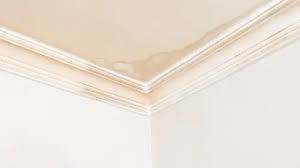
A water stain on your ceiling is easy to ignore at first. It may appear as a small brown patch or a faint discolouration that doesn’t seem urgent. Many homeowners assume it is harmless or temporary. However, in most cases, a ceiling stain is an early warning sign of a deeper problem that requires immediate attention.
What you see on the ceiling is often only a symptom. The real issue is usually hidden above, within your roof structure or plumbing system. Understanding what that stain represents can help you take the right action before the damage becomes costly.
Contents
What Causes Water Stains on Ceilings
Ceiling stains occur when moisture enters and gets trapped within building materials such as plaster, insulation, or timber. Over time, this moisture creates visible marks, often in yellow, brown, or darker shades.
There are several possible causes. Roof leaks are one of the most common, particularly after heavy rain or storms. Damaged roof tiles, cracked flashing, or worn waterproofing layers can allow water to seep into the ceiling cavity. Plumbing leaks from pipes running through the roof or upper floors can also lead to staining. In some cases, poor ventilation may cause condensation buildup, especially in bathrooms or kitchens.
While multiple causes are possible, roof-related issues are often the most serious and require prompt attention.
Why Roof Leaks Are Often the Real Problem
In many homes, a ceiling stain is directly linked to a roof leak. Even a small opening in the roof can allow water to enter slowly over time. This water travels along beams or insulation before settling in one spot, which is why the stain may not appear directly below the source of the leak.
Roof leaks can develop due to ageing materials, poor installation, storm damage, or blocked gutters. Once water begins entering the roof space, it can remain unnoticed for weeks or even months.
This is why early signs, such as ceiling stains, should never be ignored. They often indicate the need for professional roof leak repair before the problem spreads further.
What Happens If You Ignore a Ceiling Water Stain
Ignoring a water stain can lead to far more serious consequences than many homeowners expect. Moisture trapped inside the ceiling can weaken structural materials over time.
Plasterboard may begin to sag or crack as it absorbs water. Timber framing can deteriorate, increasing the risk of structural instability. Prolonged damp conditions also create an ideal environment for mould growth, which can affect indoor air quality and health.
In more severe cases, water buildup can cause sections of the ceiling to collapse. What starts as a small cosmetic issue can quickly turn into a major repair project involving both roofing and interior restoration.
Signs That You Need Roof Leak Repair Immediately
Not every ceiling stain requires urgent action, but certain signs indicate that the problem is more serious and needs immediate attention.
If the stain is growing in size, darkening in colour, or appearing after rainfall, it is likely linked to an active roof leak. Peeling paint, bubbling plaster, or dripping water are clear indicators that moisture is continuing to enter the ceiling space.
A musty smell or visible mould growth around the affected area also suggests prolonged moisture exposure. These signs should not be ignored, as they point to ongoing damage that will worsen over time.
In these situations, arranging professional roof repair as soon as possible can prevent further deterioration and reduce repair costs.
Why Temporary Fixes Do Not Solve the Problem
Many homeowners attempt to cover ceiling stains with paint or patch repairs. While this may improve the appearance temporarily, it does not address the underlying issue.
If the source of the moisture is not fixed, the stain will return. In fact, the problem often becomes worse as water continues to accumulate behind the surface.
Temporary fixes can delay proper diagnosis and allow the damage to spread. Identifying and repairing the root cause—usually within the roof structure—is the only effective long-term solution.
When to Call a Professional
It is always better to act early when dealing with water stains. A professional inspection can determine whether the issue is caused by a roof leak, plumbing fault, or condensation.
Roof specialists use tools and experience to locate the exact entry point of water, even when it is not visible from inside the home. Once identified, they can carry out targeted repairs to prevent further leakage.
Timely roof repair not only protects your home from structural damage but also helps maintain its long-term value. Delaying action can increase repair complexity and cost.
Conclusion
A water stain on your ceiling is never just a cosmetic issue. It is a visible sign that moisture is entering your home, often due to underlying roofing problems.
Ignoring it can lead to structural damage, mould growth, and expensive repairs. Acting early allows you to address the cause before it escalates.
In many cases, these stains are the first indication that roof leak repair is needed. Taking prompt action ensures your home remains safe, dry, and protected from further damage.